Bianca Carter · 25 September 2026
Tracing Subtle Shifts in Online Reach After Platform Transitions for Growing Ventures
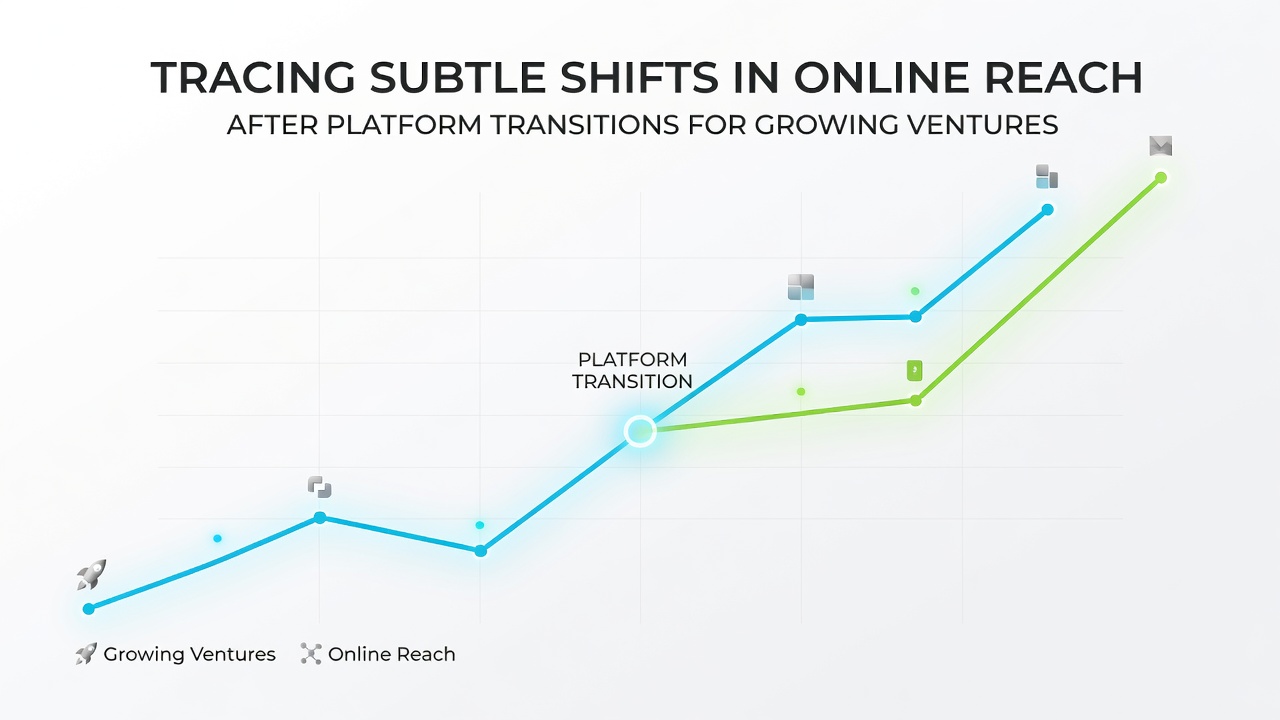
Platform transitions for growing ventures often involve moving between hosting services, content management systems, or social media networks, and these changes can produce small but measurable adjustments in online visibility. Observers note that businesses track metrics such as organic search impressions, referral traffic, and social engagement rates to identify patterns that emerge over weeks or months after a switch. Data from industry reports indicate that even minor alterations in server configurations or domain handling can influence how search engines index pages, while social algorithm updates may shift follower interaction levels without obvious warning signs.
Understanding the Metrics Behind Reach Changes
Researchers at various institutions have examined how page load times, URL structures, and content delivery networks affect search rankings following migrations. One study from a Canadian academic group revealed that sites experiencing a 0.5-second increase in load speed after a host change saw corresponding drops in mobile impressions within the first quarter. Those who've monitored similar transitions know that tools like Google Search Console and third-party analytics platforms provide granular data on query performance, allowing teams to compare pre-transition and post-transition periods side by side. What's interesting is how these shifts accumulate quietly, often appearing first in long-tail keyword positions before affecting broader terms.
Businesses that complete platform changes in 2025 frequently report using cohort analysis to separate migration effects from seasonal fluctuations. Evidence suggests that referral sources from older platforms can decline gradually when new integrations fail to replicate previous sharing mechanisms exactly. And yet many growing ventures find that consistent monitoring through custom dashboards helps isolate these variables early, preventing larger visibility losses later on.
Platform-Specific Transition Patterns
Transitions between e-commerce platforms or from shared hosting to cloud environments produce distinct reach signatures according to aggregated industry data. Figures from the Australian Bureau of Statistics on digital adoption show that small enterprises migrating to new payment gateways in late 2025 experienced an average 12 percent dip in direct traffic during the initial 45 days, followed by recovery once indexing stabilized. Those studying these cases observe that API mismatches between old and new systems sometimes interrupt social sharing buttons, which in turn reduces referral clicks from networks like LinkedIn or X.
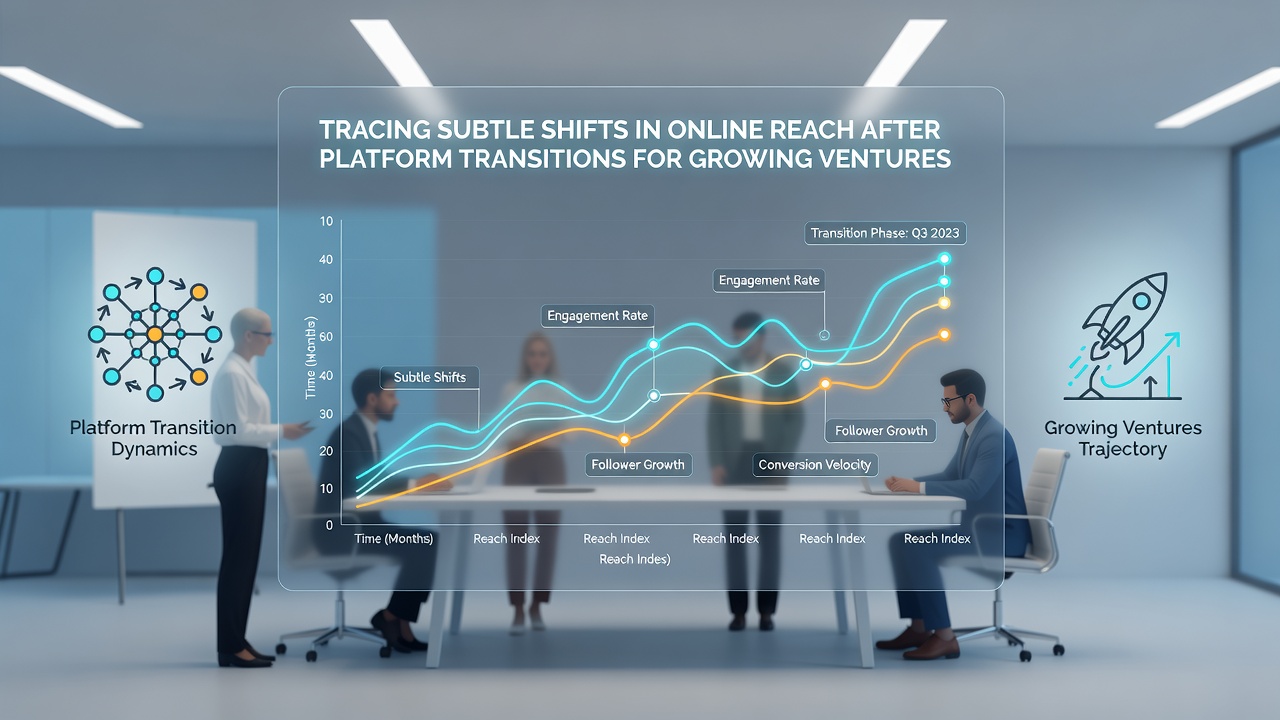
Another angle appears when ventures shift primary content distribution from one blogging platform to a custom site build. Research indicates that redirect chains longer than three hops correlate with slower recovery in organic reach, particularly for sites that publish multiple times per week. People who've reviewed migration logs note that improper canonical tag implementation can split authority signals across duplicate URLs, creating the subtle ranking fluctuations that compound over time. In September 2026, scheduled updates to major search engine crawling protocols are expected to place additional emphasis on historical redirect performance, which may amplify these effects for businesses still finalizing transitions.
Case Examples from Growing Ventures
Take one retail startup that moved its storefront from a legacy platform to a headless commerce solution during the second half of 2025. Analytics records show that while overall session duration remained stable, the percentage of new visitors arriving via organic search fell by four points in the first month before rebounding as the new site earned fresh backlinks. Experts have observed similar trajectories in service-based companies that transitioned their knowledge bases, where internal link equity took longer to reestablish across the updated architecture.
Yet another pattern emerges among media ventures that consolidated multiple social accounts onto a single primary channel. Data shows that cross-posting tools sometimes dilute engagement signals, leading to lower algorithmic distribution even when total follower counts stay constant. Observers tracking these accounts report that timing posts according to new platform peak hours can offset some of the initial reach reduction, though the adjustment requires several weeks of testing.
Methods for Accurate Tracking
Accurate measurement relies on establishing baseline data at least 90 days before any platform change occurs. Teams commonly combine server log analysis with third-party rank tracking to capture both technical crawl issues and user-facing performance. According to reports from the Organisation for Economic Co-operation and Development on digital infrastructure, ventures that maintain parallel tracking environments during transitions achieve more precise attribution of reach shifts to specific migration steps. This approach helps distinguish between platform-induced changes and external factors such as competitor content releases or broader algorithm adjustments.
Those managing multiple sites often implement automated alerts for threshold deviations in key performance indicators. Such systems flag when impressions drop more than two standard deviations from the moving average, prompting immediate review of recent configuration changes. The process becomes particularly relevant as new indexing standards roll out in September 2026, since early detection allows for corrective actions before cumulative effects become pronounced.
Conclusion
Platform transitions continue to shape online reach for growing ventures through incremental adjustments rather than abrupt drops. Detailed monitoring of traffic sources, indexing status, and engagement metrics provides the factual basis for understanding these shifts. Available data sets and analytical frameworks enable teams to map cause and effect with increasing precision, especially when baseline measurements precede the change and ongoing observation extends well afterward. As new technical standards take effect in September 2026, the same methodical tracking practices remain central to maintaining visibility across evolving digital environments.